
 Fr

African clothing represents much more than a simple fashion style. It reflects a strong cultural identity, a rich history, and a creativity that has been passed down through generations. Today, it is worn both in traditional ceremonies and in modern international fashion.
African clothing are gaining increasing global attention thanks to their vibrant colors, symbolic patterns, and ability to adapt to contemporary trends.
In this article, we will explore their origins, styles, iconic fabrics, and their place in today’s fashion world.
The origins and cultural meaning of African clothing
African clothing originates from the ancestral traditions of various ethnic groups across the African continent. Each region has its own dress codes, often linked to rituals, social status, or important cultural events.
Colors, patterns, and shapes are never random. They often carry deep meanings related to spirituality, royalty, identity, or community belonging.
On the ground, we often observe that African clothing play a key role in preserving and transmitting cultural heritage across generations.
Iconic traditional African fabrics
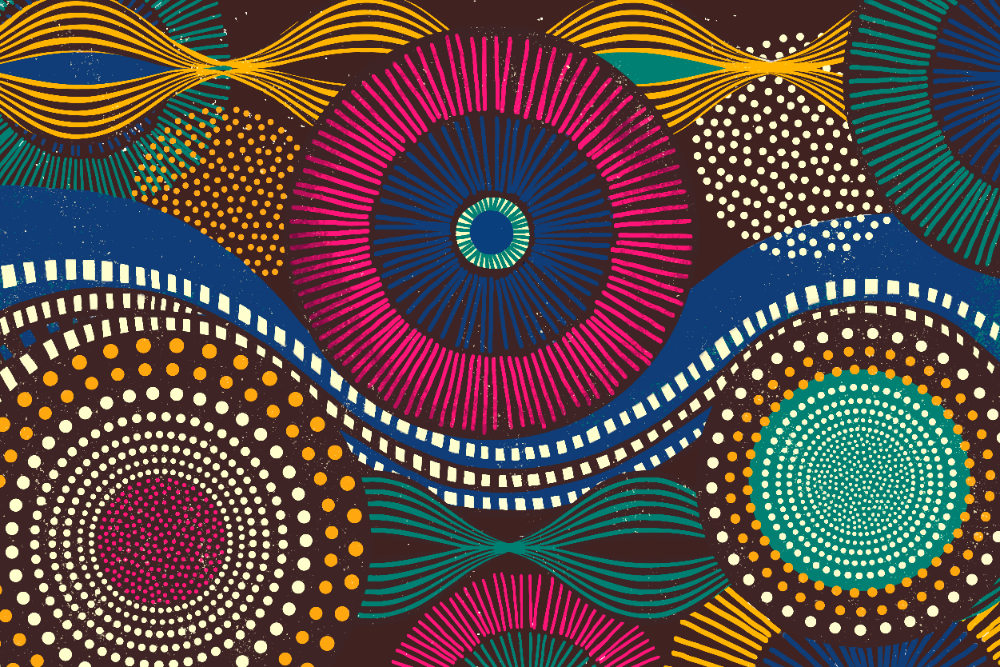
One of the most recognizable aspects of African fashion is the richness of its fabrics. Wax print is perhaps the most well-known, with its colorful patterns and industrial production that has become a cultural symbol.
Other important fabrics include kente, bogolan, and bazin riche. Kente is often associated with royalty in West Africa, while bogolan is traditionally handmade using natural dyeing techniques.
These fabrics give African clothing their strong visual identity and cultural depth.
Different styles of African clothing
African clothing comes in many different styles depending on occasions and cultural contexts. There are traditional outfits, ceremonial garments, and modern fashion-inspired designs.
Boubous, long dresses, coordinated sets, and modern tailored suits are among the most popular styles. Each outfit often serves a specific purpose or event.
Today, these styles are evolving to fit urban and contemporary fashion while preserving their cultural essence.
The evolution of African clothing in modern fashion
With globalization, African clothing has gained significant international visibility. Many African designers and diaspora creatives now integrate these elements into modern and innovative collections.
African patterns are increasingly used in streetwear, haute couture, and even collaborations with global fashion brands. This evolution shows that African clothing are no longer limited to tradition but have become part of global fashion culture.

Identity and personal expression through fashion
African clothing plays an important role in expressing identity and cultural pride. Wearing these garments often reflects heritage, values, and a sense of belonging.
Each piece can tell a personal or collective story, making African clothing highly meaningful and unique.
This strong identity aspect is one of the main reasons behind the growing global popularity of African fashion.
African clothing in international fashion
Today, African clothing has a strong influence on global fashion trends. It appears in international runway shows, designer collections, and urban fashion styles.
Many major brands draw inspiration from African prints and textiles to create bold and modern pieces. This global recognition also highlights the value of African craftsmanship and artistry.
African clothing have become an essential part of contemporary fashion worldwide.
Expert insights from the field
On the ground, we notice that the most successful African clothing pieces are those that balance authenticity with modern usability. Consumers are looking for outfits they can wear daily while still expressing strong cultural identity.
Highly traditional garments are often reserved for ceremonies, while modernized versions are more suitable for everyday urban life.
The key to success lies in finding the right balance between heritage and modern adaptation.
FAQ
What are African clothes?
They are garments inspired by African traditions, ranging from traditional outfits to modern fashion styles.
What are the most common fabrics?
Wax print, kente, bogolan, and bazin riche.
Is African clothing modern?
Yes, it continuously evolves and integrates into contemporary fashion.
Why is it popular?
Because it combines cultural identity, originality, and strong visual aesthetics.
Conclusion
African clothing represent a unique cultural and stylistic heritage. They continue to evolve between tradition and modernity while maintaining their strong identity. Today, they play a major role in global fashion and continue to grow in popularity thanks to their authenticity, creativity, and cultural richness.
If you enjoyed this article, discover more articles on our Blog page or follow us on Facebook so you don’t miss anything.