 Fr

African colors play a central role in cultural, artistic, and identity expression across the African continent. They are not only aesthetic elements but also carry deep meanings connected to traditions, beliefs, social events, and history. In fashion, art, decoration, and ceremonies, African colors are essential for expressing values and emotions.
Today, with the rise of African fashion and contemporary design, African colors have become a global source of inspiration, influencing designers, stylists, and artists worldwide.
In this article, we explore the meaning of African colors, their cultural use, their impact on fashion, and the modern trends that continue to highlight them.
The deep symbolism of African colors
African colors are never chosen randomly. They often carry strong symbolic meanings passed down through generations. Each color can represent a value, emotion, or important life event within communities.
For example, red is often associated with strength, courage, or sacrifice. Yellow can symbolize wealth, prosperity, and energy. Green is frequently linked to nature, fertility, and hope. Black often represents identity, spiritual depth, and ancestral heritage.
This symbolic richness allows African colors to play a key role in traditional ceremonies, clothing, and cultural objects.
What we observe on the ground
In many African communities, the colors worn during ceremonies are carefully selected based on the message being conveyed or the nature of the event.
African colors in traditional and modern fashion
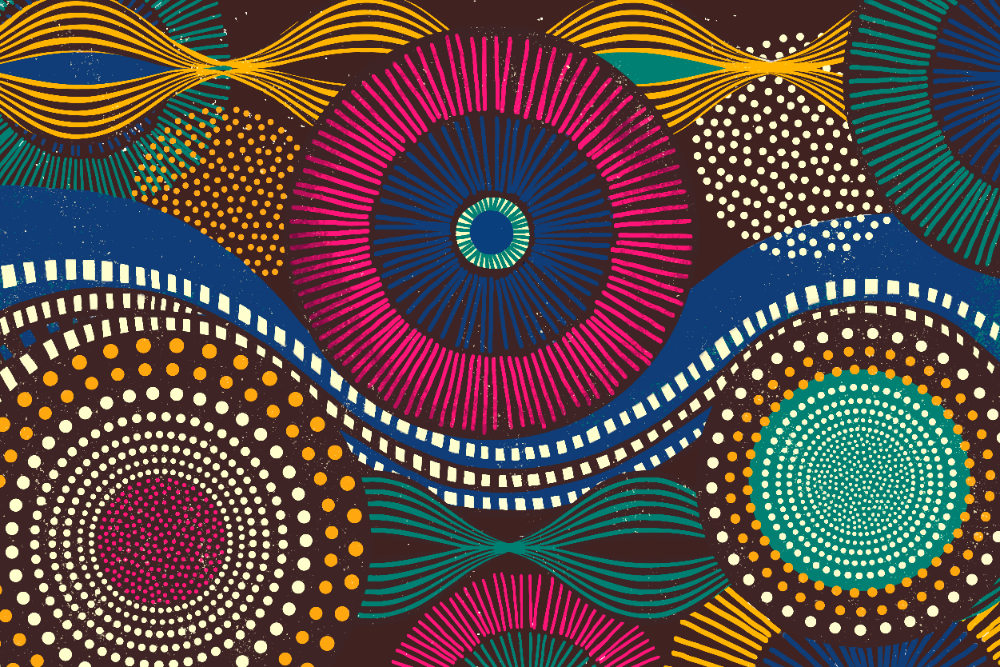
African colors are at the heart of African fashion, especially through fabrics such as wax, kente, and bogolan. These textiles are known for their vibrant patterns and bold color combinations that immediately stand out.
In traditional fashion, colors often represent community identity, social status, or specific occasions. In modern fashion, designers reinterpret them to create stylish outfits that blend tradition with global trends.
Today, African and international designers increasingly use these colors to produce unique pieces that combine heritage and modernity.
Expert insight
We recommend understanding the meaning of African colors before using them in design or outfits to respect their cultural significance.
The importance of African colors in ceremonies
In African ceremonies, African colors play a vital role. They help distinguish events, express emotions, and reinforce cultural identity.
At weddings, for example, specific colors may symbolize unity, prosperity, or blessings. In funerals, other colors may express respect, mourning, or spirituality.
Clothing, decorations, and accessories are often coordinated around a specific color palette to give deeper meaning to the event.
Case example In some traditional weddings, families choose specific color combinations to represent unity between both families and strengthen cultural bonds.

African colors in art and interior design
African colors go beyond fashion. They are widely used in art, interior design, and craftsmanship. African artists often use vibrant palettes to express stories, emotions, and social realities.
In interior decoration, African colors bring warmth, authenticity, and character. They are commonly used in textiles, paintings, sculptures, and decorative objects.
This visual richness makes African colors a key element of contemporary Africa-inspired design.
What we observe on the ground
More modern interiors are now incorporating African color tones to create warm, culturally inspired living spaces.
Modern trends in African colors
Today, African colors are evolving rapidly thanks to contemporary fashion and global design trends. Designers reinterpret traditional colors into more minimalist or bold modern styles depending on the market.
Social media also plays a major role in spreading these trends. Influencers and designers showcase African color combinations in modern outfits that attract a global audience.
We also see a fusion between African colors and Western fashion styles, creating hybrid designs that are highly popular worldwide.
Expert insight
To stay stylish, it is recommended to balance African color combinations to maintain visual impact without overwhelming the design.
The global cultural influence of African colors
African colors have now gone far beyond the continent. They influence global fashion, graphic design, advertising, and even film production.
Many international brands draw inspiration from African color palettes to create visually rich collections and campaigns.
This influence highlights the growing importance of African aesthetics in global creative industries.
FAQ: African colors
What do African colors represent?
African colors represent symbolic values such as wealth, spirituality, nature, strength, and cultural identity.
Why are African colors important?
They express emotions, traditions, and cultural messages in fashion, art, and ceremonies.
Where are African colors used?
They are used in fashion, traditional fabrics, interior design, art, and cultural events.
Are African colors used in modern fashion?
Yes, they are widely integrated into contemporary fashion and inspire designers worldwide.
Conclusion
African colors are much more than visual choices. They represent a deep cultural identity filled with meaning, symbolism, and tradition. Present in fashion, art, decoration, and ceremonies, they continue to inspire and influence global creativity.
Thanks to their richness and diversity, African colors remain a powerful bridge between tradition and modern design.
If you enjoyed this article, discover more articles on our Blog page or follow us on Facebook so you don’t miss anything.