
 Fr

Fashion is more than trends or clothing — it is a language, a tool for self-expression, and a way to tell a story. In this sense, African fashion and identity are deeply connected, as garments inspired by the continent carry heritage, values, and a strong sense of cultural pride.
From vibrant fabrics to innovative cuts, African fashion is now celebrated on runways worldwide while remaining a powerful anchor of identity for millions of people. In this article, we explore how African fashion and identity reinforce each other, and why adopting this style is far more than a simple aesthetic choice.
African Fashion and Identity: A Story Woven from Tradition
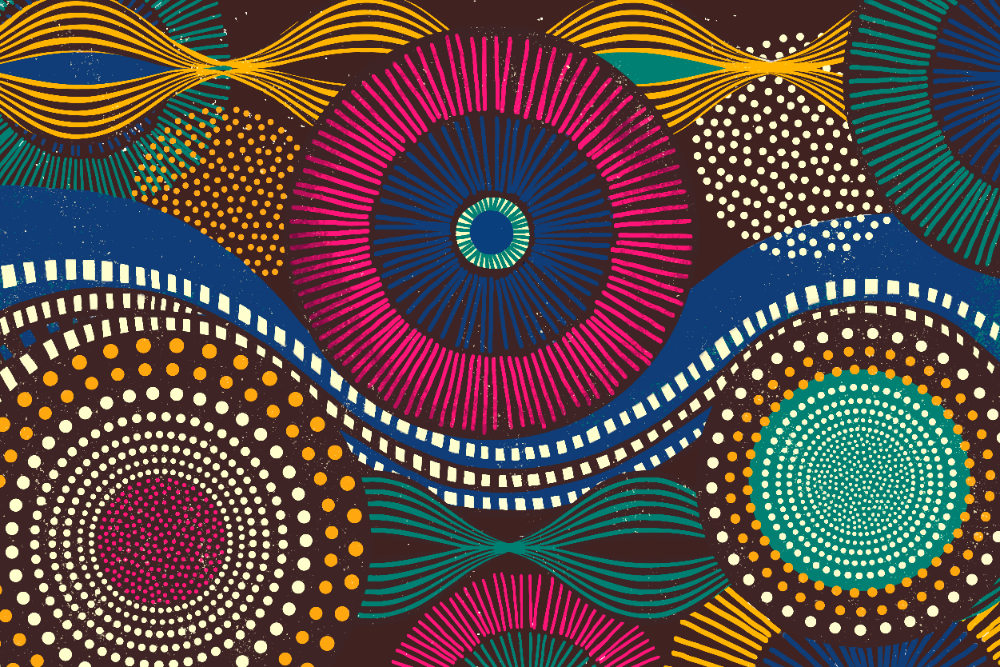
One of the most striking aspects of African fashion and identity is its deep link to history and traditions. Fabrics like wax print, kente, bogolan, or shweshwe are not just textiles; they are carriers of stories, symbols, and values.
Every pattern and color has a specific meaning: red may symbolize strength, blue represents peace, and yellow stands for prosperity. Wearing these fabrics means connecting to centuries-old heritage, collective memory, and artisanal skills passed down through generations.

Self-Affirmation Through Style
In a world where dress codes are often standardized, choosing African fashion and identity is an act of personal affirmation. It’s a way to proudly embrace one’s differences and celebrate origins through clothing.
For members of the African diaspora, wearing traditional or African-inspired attire is a way to stay connected to their roots, even far from home. For others, it’s a chance to appreciate African cultural richness and adopt a distinctive, meaningful aesthetic.
Bridging Tradition and Modernity
African fashion and identity are not frozen in the past. Contemporary designers skillfully blend modern Western cuts with traditional African fabrics, creating hybrid pieces suitable for any occasion.
Wax print now appears in elegant suits, stylish sneakers, luxury handbags, and even haute couture collections. This fusion makes African fashion part of everyday wear while preserving its symbolic power.
Fashion as a Political and Social Statement
Embracing African fashion and identity is also a form of activism. In a world where cultural diversity is sometimes under threat, choosing a style rooted in African heritage becomes a political statement.
It means promoting the visibility of Black cultures, challenging stereotypes, and presenting a positive, contemporary vision of Africa. It is also a way to support artisans, local designers, and brands — contributing to a fairer, more ethical economy.
African Fashion as a Tool for Cultural Transmission
Beyond its beauty, African fashion and identity play a vital role in passing traditions down to future generations. Clothing often takes center stage in important events — weddings, religious celebrations, initiation ceremonies, and cultural festivals.
These moments are opportunities to teach younger generations the meanings behind patterns, colors, and styles, keeping cultural memory alive and vibrant.
Growing Influence on Global Fashion
Major fashion capitals are increasingly inspired by African fashion and identity. Paris, Milan, London, and New York feature African fabrics on their runways, while designers of African heritage are making their mark internationally.
This global recognition helps break stereotypes, showcasing Africa’s creative richness to the world and opening new economic opportunities for artisans across the continent.
Conclusion: Wearing African Fashion Is Wearing a Message
African fashion and identity are not just about style — they are acts of affirmation, remembrance, and sharing. They help people stay connected to their roots, assert their uniqueness, and promote a rich and positive vision of African culture.
Choosing these garments is a way of saying: This is who I am, this is my story, and I wear it with pride.