 Fr

An African traditional wedding is much more than a celebration of love. It is a moment of sharing, cultural heritage, and family unity, where clothing plays an important role. From traditional fabrics and symbolic colours to refined embroidery and carefully selected accessories, every outfit contributes to the beauty of the occasion. However, finding the perfect outfit for an African traditional wedding can sometimes feel challenging, especially when you need to balance elegance, respect for cultural traditions, and personal preferences.
Whether you are the bride, the groom, a family member, or a guest, choosing your outfit deserves careful consideration. It is not simply about wearing beautiful clothing but about selecting an outfit that reflects your role in the ceremony, the culture being celebrated, and the atmosphere of the event. There are many possibilities, ranging from outfits made with African wax print fabric to modern dresses inspired by African traditions, embroidered ensembles, and contemporary designs.
To achieve a polished look, it is essential to understand the dress code of the ceremony, select the right fabrics, and choose cuts that complement your body shape. Discover how to dress for an African traditional wedding with style, sophistication, and authenticity while avoiding the most common fashion mistakes.
Why Is Your Outfit Important for an African Traditional Wedding?
In many African cultures, a traditional wedding represents an essential milestone in the union of two people and their families. The ceremony may include family introductions, the presentation of the bride price, symbolic exchanges, blessings, and celebrations. Each community has its own customs, which are often reflected in the clothing worn by the bride, groom, and their relatives.
Clothing therefore contributes to the identity of the ceremony. It expresses respect for the families, celebrates cultural heritage, and highlights the significance of the occasion. A carefully selected outfit can also demonstrate how much you value the couple and the importance of their commitment.
In Cameroon, for example, traditional wedding ceremonies can feature very different styles depending on the community. Some favour fabrics with distinctive patterns, while others highlight embroidered garments, richly decorated textiles, or traditional accessories. In other African countries, the boubou, kente, aso-oke, and various locally produced fabrics play an important role in wedding celebrations.
There is no single way to dress for an African traditional wedding. Your choice depends on the family customs, the wedding theme, your role in the ceremony, and the level of formality. The goal is to find a balance between tradition and your personal style.
How to Choose an Outfit for an African Traditional Wedding Based on Your Role
Before selecting an outfit, it is important to determine your role in the ceremony. The clothing expectations may differ for the bride, groom, parents, witnesses, and guests.
The Bride’s Outfit: Elegance, Symbolism, and Personality
The bride takes centre stage at an African traditional wedding. Her outfit should allow her to stand out while respecting the customs of her community and the wishes of both families. Depending on the tradition, she may wear traditional fabric, a matching skirt and top, a long dress, or a custom-made creation inspired by her culture.
A long dress made from richly textured fabric is an elegant option for women who appreciate sophisticated silhouettes. Embroidery, beads, lace details, and carefully finished seams can add character to the outfit without making it look excessive. A mermaid-style dress highlights curves, while a flared dress offers greater freedom of movement and a graceful look when walking or dancing.
Brides who want to emphasise their cultural heritage can also choose a women’s boubou, a traditional fabric ensemble, or an outfit combining several textiles. Accessories such as jewellery, headpieces, and shoes can then be selected to create a harmonious overall look.
The most important thing is to choose an outfit that makes you feel beautiful and comfortable. Traditional ceremonies can last several hours, so it is best to prioritise a design that allows you to move freely and remain comfortable throughout the celebration.
The Groom’s Outfit: A Blend of Tradition and Modernity
The groom can express his cultural identity through a carefully selected traditional outfit. An embroidered boubou, an African-print ensemble, a tunic paired with matching trousers, or a modern suit incorporating traditional elements are all excellent options.
The choice depends on the culture being celebrated and the desired style. A boubou made from quality fabric, with subtle or elaborate embroidery, can create a distinguished appearance. A two-piece or three-piece outfit made from traditional fabric offers a more contemporary look while maintaining a strong African identity.
The fit is essential. The sleeves, garment length, and trouser width should complement the groom’s body shape. A well-fitted outfit immediately creates an impression of care and sophistication.
Shoes, a watch, and other accessories should complement the clothing without distracting from the overall look. Coordinating the groom’s colours with the bride’s outfit can also create a particularly beautiful effect in wedding photographs.
Outfits for Parents and Close Family Members
Parents often play an important role in an African traditional wedding. Their outfits should reflect the dignity of their position while coordinating with the wedding theme, if the families have established one.
Women can choose a long dress, an African-print ensemble, an elegant boubou, or an outfit consisting of a skirt and a detailed top. Men may prefer an embroidered boubou, a traditional ensemble, or a suit appropriate for the ceremony.
When families decide to wear matching fabric, individuals can still maintain some freedom in their choice of cuts. Everyone can select an outfit that suits their preferences and body shape while contributing to the group’s overall visual harmony.
Guest Outfits: Looking Elegant Without Outshining the Couple
As a guest, your goal is to wear an elegant outfit that suits the occasion and respects the couple. You can choose a sophisticated dress, an African-print ensemble, a modern boubou, or a formal outfit combining contemporary pieces with traditional accessories.
If the couple has communicated a dress code, it is best to follow it. Some ceremonies require guests to wear a specific fabric, while others simply suggest a colour palette. In either case, make sure you understand the requirements before purchasing your outfit.
It is also best to avoid wearing something that closely resembles the bride’s outfit, especially if she has chosen a distinctive style or a particular colour. Understated elegance allows you to enjoy the celebration without trying to attract all the attention.
What Should You Wear to an African Traditional Wedding?
Your clothing choice depends on your preferences, budget, and the style of the ceremony. Some garments celebrate African traditions while incorporating contemporary fashion trends.
The Traditional Long Dress
A long dress remains a popular choice for formal celebrations. It can be made from wax print, bazin, brocade, lace, or a combination of fabrics. Fitted designs create a sophisticated silhouette, while flowing dresses offer a lighter and more relaxed appearance.
Small details often make the biggest difference. A beautifully designed neckline, elegant sleeves, a well-positioned belt, or carefully placed embroidery can give a dress character. You do not need excessive decoration to achieve a refined look.
The Matching Skirt and Top
A matching skirt and top is an interesting alternative for women who want a structured outfit that can be customised. The skirt may be straight, flared, pleated, or slightly asymmetrical, while the top may feature puffed sleeves, a detailed neckline, or embroidered accents.
This combination allows you to experiment with shapes and fabrics. A relatively simple top can balance a richly decorated skirt. Conversely, a plain skirt can be enhanced by a sophisticated top with elegant finishing details.
One of the main advantages of this outfit is its versatility. Some pieces can be worn separately after the ceremony, provided you choose designs that are easy to pair with other garments.
The African Boubou
The boubou is an iconic garment in many African clothing traditions. Known for its flowing silhouette and elegance, it is particularly suitable for ceremonies where comfort and presence are important.
There are simple designs made from plain fabrics, as well as more elaborate creations featuring embroidery, geometric patterns, or decorative details. The choice of fabric and the quality of the tailoring can make the boubou suitable for different levels of formality.
Women can accessorise a boubou with a matching headwrap and carefully selected jewellery. For men, embroidery around the neckline and chest can provide a sophisticated finish. In both cases, accessories should complement the proportions of the garment.
The African Wax Print Outfit
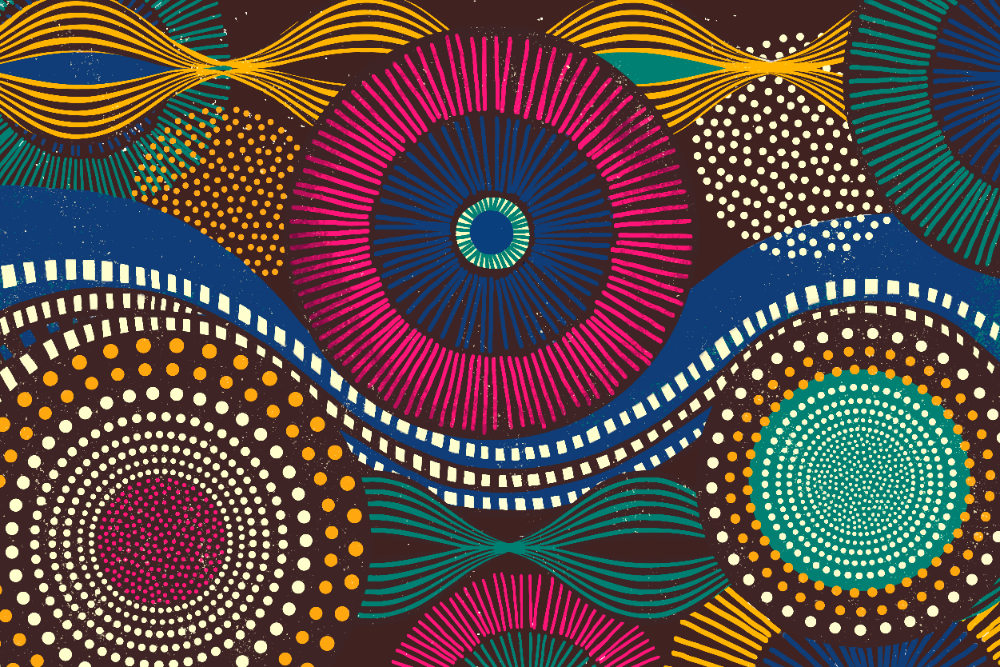
Wax print remains a favourite for anyone who wants to showcase an authentic African style. Its patterns and colours offer countless design possibilities, from fitted dresses and modern ensembles to traditional flowing garments.
Wax print can be used throughout the entire outfit or combined with other materials to create an interesting contrast. For example, a wax-print dress with lace sleeves combines a bold African identity with delicate detailing.
However, it is important to choose a design that works well with the fabric’s pattern. A fabric with a busy print may look best with a relatively simple cut, while a more understated print allows for additional tailoring details.
Which Colours Should You Choose for an African Traditional Wedding?
Colours play an essential role in the overall appearance of an outfit. They can create an impression of softness, sophistication, energy, or formality. The best choice depends on the wedding theme, the season, the fabric, and your personal preferences.
Gold is often appreciated for its celebratory appearance. It adds brightness and pairs beautifully with shades such as burgundy, deep green, cream, and navy blue. Used in embroidery, jewellery, or small garment details, it can elevate an outfit without overwhelming it.
Emerald green is another excellent option for an elegant ceremony. It complements many fabrics and works well with gold or nude accessories. Royal blue, meanwhile, creates a bold appearance, particularly when combined with understated finishing details.
Warm shades such as terracotta, deep red, copper, and orange can bring character to an African-inspired outfit. They work particularly well when the fabric patterns feature natural colours or geometric designs.
Pastel shades, including blush pink, lilac, and light blue, are suitable for anyone seeking a softer appearance. They can be paired with flowing fabrics, delicate embroidery, and subtle jewellery.
It is important not to assign a universal meaning to every colour. In some communities, colours and patterns carry specific cultural or symbolic significance. It is therefore advisable to ask the families about any particular requirements when the ceremony follows specific customs.
How to Choose the Right Fabric for an African Traditional Wedding
The fabric affects the appearance, comfort, and overall fit of a garment. Even a simple design can look remarkable when made from quality material that suits the chosen style.
Wax print is appreciated for its colourful patterns and its ability to give garments character. It works well for dresses, two-piece ensembles, skirts, and many custom-made designs. However, its pattern should be considered when choosing the cut to ensure visual harmony.
Bazin is frequently used for ceremonial clothing because of its lustrous appearance and distinctive presence. It is suitable for boubous and structured ensembles, particularly when combined with embroidery. Fabric quality and finishing details play an important role in the final result.
Lace is an excellent choice for adding delicacy to an outfit. It can be used on sleeves, necklines, or selected sections of a garment. To avoid an overly busy appearance, it is best to combine lace with a material that balances its texture.
Brocade and textured fabrics are also suitable for formal occasions. They add depth and can give a dress or ensemble a particularly sophisticated appearance.
When purchasing fabric, check its quality, durability, drape, and ability to retain its shape. A fabric that looks beautiful in a shop may not necessarily suit the design you have in mind. Asking a tailor or experienced salesperson for advice can help you make the right choice.
How to Accessorise an Outfit for an African Traditional Wedding
Accessories complete an outfit and contribute to its overall balance. Their selection should take into account the colour of the garment, its cut, and the level of decoration already present.
Jewellery can provide an elegant finishing touch. Earrings, a necklace, or a bracelet can highlight the face and hands. If your outfit already features extensive embroidery or elaborate embellishments, choose more understated jewellery. Conversely, a simple dress can be enhanced with a more striking accessory.
A headwrap or turban can also play a central role in a traditional African outfit. It completes the silhouette and creates a visual connection with the rest of the ensemble. However, the material, colour, and wrapping style should complement the garment.
Shoes deserve as much attention as other accessories. High heels may suit a formal dress, while elegant sandals or sophisticated flats may be preferable for a long ceremony. Comfort is particularly important when the celebration includes walking, dancing, and other activities.
Finally, your handbag should be practical enough to hold your essentials without overwhelming the outfit. A small clutch or structured handbag can complete the look elegantly.
How to Choose an Outfit That Suits Your Body Shape
To achieve a flattering appearance, it is important to choose a cut that complements your silhouette without compromising comfort. Body shape should not be viewed as a limitation but as a useful guide when selecting clothing that makes you feel confident.
A wrap dress can emphasise the waist and create a flowing silhouette. A flared design offers freedom of movement, while a straight dress creates a structured appearance. Two-piece ensembles also allow you to adjust the fit of the top and bottom separately.
People who prefer loose-fitting garments may choose a well-tailored boubou or a flowing dress. To maintain a balanced silhouette, the quality of the drape and the length of the garment remain essential.
Design details can also change the overall balance. A belt can define the waist, structured sleeves can add volume to the upper body, and a pleated skirt can introduce movement. The most important thing is to choose features that reflect your preferences rather than following every fashion trend.
If you are having an outfit custom-made, allow enough time for fittings. Check that the shoulders sit correctly, the length works with your shoes, and the garment allows you to sit, walk, and dance comfortably.
How to Respect Tradition While Embracing Modern Style
Contemporary African fashion makes it possible to combine traditional dress codes with current trends. You can wear a modern outfit without giving up the cultural identity of the ceremony.
For example, a wax-print dress with clean lines can showcase the fabric’s patterns without requiring numerous embellishments. A boubou can feature a more contemporary cut while retaining its traditional characteristics. Similarly, a well-fitted pair of trousers and an African-print tunic can offer a modern alternative to more classic ceremonial garments.
Combining fabrics is another interesting approach. Wax print can be paired with satin, lace, or plain fabrics to create subtle contrasts. The goal is to highlight the main fabric rather than introduce too many decorative effects.
However, it remains important to respect the couple’s preferences and family customs. If certain garments or colours are reserved for specific people, you should take these guidelines into account. A successful outfit expresses your personality while fitting naturally into the occasion.

Where Can You Find a Beautiful Outfit for an African Traditional Wedding?
The best place to shop depends on your budget, available time, and the type of garment you want. Shops specialising in African fashion generally offer dresses, boubous, and ready-to-wear ensembles. They can be a practical solution when you need an outfit quickly.
Tailoring studios are particularly useful if you want a personalised creation. They allow you to select the fabric, define the cut, and customise the details according to your preferences. This option is often popular with brides, family members, and guests who want something different from standard shop designs.
Online stores also offer a wide selection of clothing and accessories. Before placing an order, carefully check the size guide, delivery conditions, return policy, and product photographs. If the outfit is needed for a specific date, allow enough time for delivery and possible alterations.
If you are in Cameroon, fabric markets, fashion boutiques, and local tailors can help you find materials suitable for a traditional ceremony. Comparing different fabrics and discussing your ideas with a professional tailor can help you manage your budget while achieving a polished result.
Whatever option you choose, avoid leaving your shopping or tailoring arrangements until the last few days. Having enough time allows you to complete fittings, adjust the cut, and ensure that your shoes and accessories coordinate properly.
What Mistakes Should You Avoid When Dressing for an African Traditional Wedding?
The first mistake is choosing an outfit simply because it is fashionable. A popular design may not suit the ceremony or the families’ expectations. Before making your choice, find out how the event will be organised and whether there are any dress code requirements.
Another common mistake is overlooking comfort. A dress that is too tight, shoes that are difficult to walk in, or fabric that is unsuitable for the weather can make the day uncomfortable. It is best to try on your complete outfit beforehand and test it by walking, sitting, and moving around.
A lack of coordination between clothing and accessories can also affect the final result. An elaborately embroidered outfit, statement jewellery, a heavily decorated handbag, and particularly eye-catching shoes may create an overly busy appearance. Instead, select a few elements that complement one another.
Finally, do not overlook alterations. Even an outfit purchased from a shop may require a few adjustments to achieve the right fit. An appropriate length, properly positioned sleeves, and a comfortable waistline all contribute significantly to elegance.
FAQ: Everything You Need to Know About Choosing an Outfit for an African Traditional Wedding
1. What should a female guest wear to an African traditional wedding?
A female guest can wear a long dress, an African-print skirt and top, an elegant boubou, or a contemporary outfit inspired by African fashion. The choice depends on the wedding theme and any dress code communicated by the couple. Choose something stylish and comfortable, and avoid wearing an outfit that closely resembles the bride’s attire.
2. Which colours are suitable for an African traditional wedding?
Gold, emerald green, burgundy, royal blue, terracotta, and certain pastel shades are excellent options for a ceremonial outfit. However, your choice should reflect the wedding theme and the families’ preferences. Some colours may carry specific meanings within a particular community, so it is helpful to ask before deciding.
3. Can you wear a modern dress to an African traditional wedding?
Yes, a modern dress can be perfectly appropriate for an African traditional wedding, provided it suits the ceremony. You can choose a contemporary cut and incorporate traditional elements through wax print, embroidery, accessories, or African-inspired fabric patterns. This combination allows you to celebrate cultural heritage while expressing your personal style.
4. How far in advance should you prepare your outfit for an African traditional wedding?
It is best to start preparing several weeks in advance, especially if you are ordering a custom-made outfit. This gives you enough time to choose the fabric, attend fittings, and make any necessary alterations. If you are ordering online, allow additional time for delivery to avoid last-minute problems.
Conclusion: How to Choose the Perfect Outfit for an African Traditional Wedding
Choosing an outfit for an African traditional wedding means finding the right balance between elegance, comfort, cultural identity, and personal style. Whether you choose a long dress, an African-print ensemble, an embroidered boubou, or a contemporary creation, the most important thing is to select clothing that suits the ceremony and makes you feel confident.
The fabric, cut, colours, and accessories should work together to create a harmonious appearance. By considering family customs, your role in the event, and the quality of the tailoring, you can put together an outfit that highlights your personality while respecting the importance of the celebration.
Take the time to compare designs, choose quality materials, and allow for any necessary alterations. A successful outfit does not depend solely on its price or the richness of its embellishments, but also on how thoughtfully it is selected, fitted, and worn. The most important thing is to take part in this special day with confidence, elegance, and respect for tradition.
If you enjoyed this article, discover more articles on our Blog page or follow us on Facebook so you don’t miss anything.