 Fr
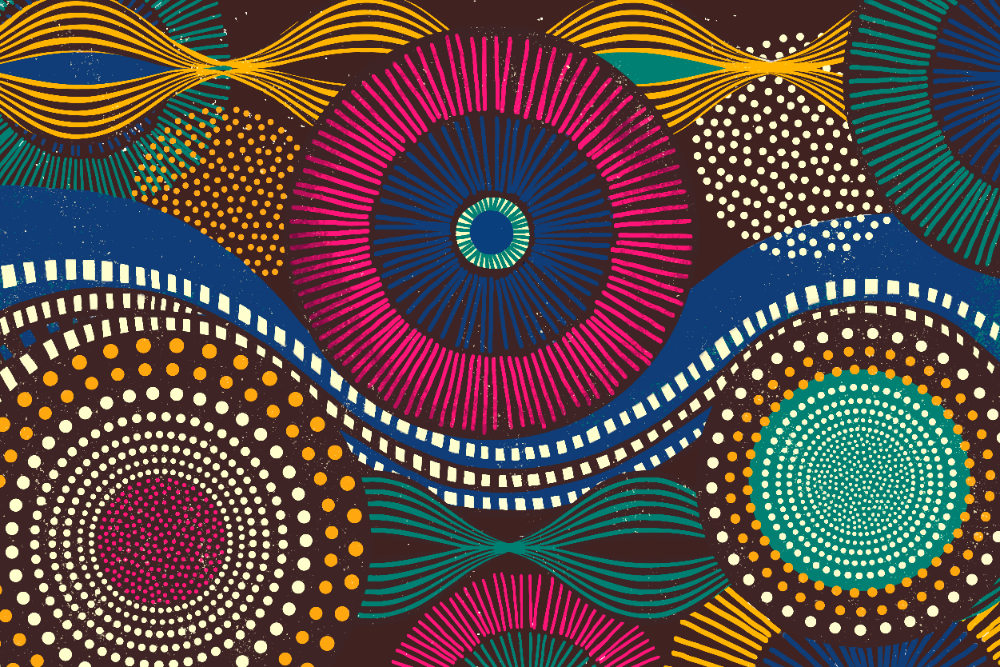

The African women’s dress has become an important part of contemporary fashion. Once mainly associated with traditional ceremonies and major celebrations, it has gradually evolved to meet the needs of women looking for clothing that is elegant, original, and connected to their cultural identity. African designers and fashion enthusiasts are now reinventing prints, cuts, and fabrics to create outfits suitable for everyday wear as well as special occasions.
Choosing an African women’s dress is therefore no longer simply about selecting a colorful fabric. The cut plays an essential role in the final look. The same fabric can create a completely different appearance depending on whether it is used for a long flowing dress, a wrap dress, a flared silhouette, or a more fitted design. Current trends offer many ways to experiment with volume, length, and details while maintaining the authenticity of African fabrics.
Whether you are looking for an outfit for a wedding, a family celebration, a professional event, or simply an original piece for your everyday wardrobe, certain cuts deserve your attention. Let’s explore the most popular African women’s dress styles that can help create modern and elegant looks.
African Women’s Dress: The Long Dress for an Elegant Look
The long dress remains one of the most popular cuts when it comes to showcasing African fabrics. Its length allows patterns to stand out and creates a particularly elegant silhouette. With a colorful and richly patterned fabric, a long dress can quickly become a statement piece in any wardrobe.
An African women’s dress can take many forms. A flowing cut creates a sense of lightness, while a slightly fitted design emphasizes the silhouette. For a ceremony, it can be paired with refined accessories and elegant shoes. For a more casual occasion, a simpler version can be worn with sandals and minimalist accessories.
Another advantage of this style is its versatility. It can be made from wax, bazin, bogolan, or other fabrics commonly used in African fashion. Each material gives the dress a different personality.
African Women’s Dress: The Wrap Dress for a Modern and Feminine Style
The wrap dress is particularly appealing to women looking for a feminine outfit without choosing an overly formal style. Its crossover design creates a V-shaped neckline while providing structure around the silhouette.
With an African fabric, this cut takes on a particularly contemporary dimension. The patterns become a strong graphic element and can be highlighted by the way the fabric crosses at the front.
An African women’s dress in a wrap style can be suitable for many occasions. A long version can be worn to a ceremony or evening event. A midi or shorter version can work well for an outing, a professional appointment, or a casual occasion when the overall style remains appropriately refined.
This cut also offers an opportunity to experiment with color combinations. A highly expressive print can be balanced with understated accessories, while a more discreet fabric can be enhanced with statement jewelry or a bold handbag.
African Women’s Dress: The Flared Cut for Added Movement
The flared dress is appreciated for its movement and comfort. Usually fitted around the upper body and wider toward the bottom, it creates a dynamic silhouette while allowing freedom of movement.
In African fashion, this cut offers many creative possibilities. Prints can be used to emphasize the volume of the skirt and create a particularly attractive visual effect. An African women’s dress with a flared cut can therefore be relatively simple in construction while still looking sophisticated because of the fabric.
This style is especially suitable for women who appreciate comfortable clothing while wanting to maintain a polished appearance. It can be worn with heels for a special occasion or with flat shoes for a more casual look.
Length can also completely change the style. A floor-length flared dress creates an elegant and majestic appearance, while a midi version feels more contemporary and versatile.
African Women’s Dress: The Straight Cut for a Chic Contemporary Look
The straight cut is ideal for women who prefer clean and streamlined silhouettes. Unlike a flared dress, it generally follows the body’s natural lines without creating significant volume around the skirt.
With an African print, the simplicity of the cut allows the fabric to take center stage. The pattern becomes the main visual element. An African women’s dress with a straight cut can therefore be extremely elegant even when its construction is relatively minimalist.
This approach reflects the evolution of contemporary African fashion. Clothing inspired by African traditions does not have to be extremely voluminous or heavily decorated to remain recognizable. A simple cut combined with a distinctive fabric can be enough to create a strong identity.
For a professional setting, a straight dress in balanced colors can be paired with a blazer or understated accessories. For an evening event, statement jewelry and elegant shoes can completely transform the outfit.
African Women’s Dress with Puff Sleeves: A Striking Detail
Sleeves have become an important design element in contemporary fashion. Puff sleeves, in particular, can give a dress more character without necessarily changing its overall silhouette.
On an African women’s dress, puff sleeves can create an interesting contrast between a relatively simple silhouette and a more dramatic upper section. The sleeves can be voluminous around the shoulders, slightly gathered, or longer to create a more theatrical effect.
This trend also offers a way to modernize traditional African fabrics. A classic African print can take on a completely different appearance when combined with a more contemporary construction.
To maintain balance, it can be useful to keep the other elements of the outfit relatively simple. When the sleeves already make a strong statement, understated accessories can help create visual harmony.
African Women’s Dress: The Asymmetrical Style for a Unique Look
Asymmetry immediately brings a modern dimension to an outfit. A one-shoulder dress, a design with different front and back lengths, or an unusual cut can transform a traditional African fabric into a distinctly contemporary creation.
The African women’s dress with an asymmetrical design is particularly suitable for women who want to move away from classic silhouettes. It can be chosen for an evening event, a ceremony, or any occasion where a distinctive outfit is desired.
Asymmetry can also be used subtly. There is no need to add multiple dramatic details to create an original look. A single well-designed asymmetrical element can be enough to give the dress character.
With highly colorful fabrics, a simple asymmetrical cut can be particularly effective. The dress maintains its elegance while naturally attracting attention.
African Women’s Dress: The Fitted Style to Highlight the Silhouette
Fitted dresses are also increasingly present in contemporary collections. They emphasize the body’s natural lines and create a more structured appearance.
An African women’s dress with a fitted cut can be particularly elegant when made from a fabric whose patterns complement the shape of the garment. The placement of the print becomes important because it can influence the way the silhouette is visually perceived.
To prevent the outfit from looking overly busy, the cut itself can remain relatively simple. An elegant neckline, carefully designed sleeves, or a subtle opening can provide enough personality.
This approach once again demonstrates how African fashion can combine cultural heritage with contemporary trends. The fabric provides the identity, while the construction of the dress gives it a modern aesthetic.
African Women’s Dress: The Shirt Dress for a Relaxed and Elegant Style
The shirt dress is another interesting option. Inspired by the classic shirt, it generally features a collar, button fastening, and a silhouette that can be straight or slightly flared.
When made from African fabric, it becomes an easy-to-wear piece while remaining distinctive. An African women’s dress in a shirt-dress style can work well for a day at work, a casual outing, or a more relaxed occasion.
It also offers several styling possibilities. A belt can be added to define the waist, while wearing the dress without one creates a more relaxed appearance.
This style is particularly suitable for women who want to gradually incorporate African prints into their everyday wardrobe without necessarily choosing a highly sophisticated outfit.
African Women’s Dress: The Short Dress for a Modern and Dynamic Look
The short dress creates a youthful and energetic appearance when combined with African fabrics. It can take the form of a trapeze dress, a straight design, a wrap dress, or a slightly flared silhouette.
For an African women’s dress with a short length, the choice of print becomes particularly important. Since there is less fabric than with a long dress, patterns can stand out more easily.
A short dress can also be adapted to different seasons and occasions. With sandals and lightweight accessories, it can create a stylish summer outfit. With a blazer and closed shoes, it can take on a more structured appearance.
The key is to choose a cut that matches both the occasion and the level of comfort you are looking for.
How to Choose the Right African Women’s Dress Cut
Choosing an African women’s dress should not depend solely on the latest fashion trend. The right cut is first and foremost one that feels comfortable and suits the occasion for which it is intended.
The fabric also plays an important role. Some prints are particularly well suited to the large surface of a long dress, while others can stand out more effectively on a short or structured design.
Body shape can also help guide the choice without becoming a limitation. A wrap dress can create structure around the waist, a flared cut adds movement, and a straight dress creates a more streamlined silhouette. The goal is not to follow strict rules but rather to understand how different constructions affect the final appearance.
Personal style should also be considered. A woman who usually prefers minimalist silhouettes may enjoy a straight dress made from an expressive African print. Someone who loves volume may prefer a flared dress with statement sleeves.
African Fabrics Give Each Dress a Unique Identity
The uniqueness of an African women’s dress does not depend solely on its shape. Fabric is often at the heart of its identity. Colors, patterns, and textures allow the garment to express something and give it a cultural dimension.
Wax remains particularly popular for its graphic patterns and vibrant colors. Bazin is appreciated for its luminous appearance and its strong presence in ceremonial clothing. Other African textiles and techniques can also create very different results depending on the designer’s inspiration.
Today, many designers are looking beyond the traditional association between African fashion and purely traditional garments. They are working with African fabrics and international contemporary cuts to create clothes that can be worn in a wide range of settings.
This evolution allows African fashion to reach a broader audience while maintaining a strong visual identity.

How to Accessorize an African Women’s Dress Without Overdoing It
An African women’s dress can sometimes be expressive enough to stand on its own. When the fabric already features bold and colorful patterns, accessories can remain relatively simple.
A pair of earrings, a solid-colored handbag, or shoes in one of the colors found in the print can create a harmonious look. On the other hand, a dress made from a more understated fabric can be paired with more noticeable accessories.
Jewelry inspired by African craftsmanship can also strengthen the cultural identity of the outfit. However, balance is important so that the accessories complement the dress rather than compete with it.
Hairstyle and footwear also contribute to the final result. The same dress can look highly sophisticated with heels and an elaborate hairstyle, or much more relaxed with flat shoes and a natural hairstyle.
The African Women’s Dress Is Becoming Increasingly Contemporary
The popularity of the African women’s dress reflects the evolution of African fashion and its growing influence on contemporary styles. Designers are no longer limited to traditional silhouettes. They experiment with volume, cuts, lengths, and combinations of fabrics to create garments adapted to modern lifestyles.
This evolution allows women to wear pieces inspired by African culture in many different settings. The same inspiration can lead to a professional dress, a wedding outfit, an evening look, or an everyday garment.
The real appeal lies in the ability to bring heritage and modernity together. Fabrics retain their identity while cuts evolve with current trends and women’s needs.
FAQ About African Women’s Dress
What cut should you choose for an African women’s dress for a ceremony?
For a ceremony, a long, wrap, or flared dress can create a particularly elegant appearance. The choice mainly depends on the fabric, the level of sophistication desired, and the type of event. A carefully designed cut combined with a beautiful fabric can create a refined outfit.
Can an African women’s dress be worn every day?
Yes. Shirt dresses, straight cuts, short dresses, and slightly flared styles are particularly suitable for everyday wear. With simple accessories and comfortable shoes, an African fabric dress can easily become part of an everyday wardrobe.
Which fabric should you choose for an African women’s dress?
The choice depends on the desired style. Wax is particularly suitable for colorful and graphic patterns, while bazin can create a more sophisticated appearance. It is important to choose a fabric whose texture and patterns match the desired cut.
How can you modernize an African women’s dress?
Modernization can come through the cut, details, and accessories. An asymmetrical silhouette, statement sleeves, a wrap cut, or a shirt dress can give a traditional African fabric a contemporary appearance. Shoes and accessories can then further personalize the outfit.
Conclusion
The African women’s dress now offers a wide variety of styles and cuts. Long, wrap, flared, straight, asymmetrical, short, or shirt-inspired designs can suit many occasions and different personal styles. The richness of African fabrics also makes it possible to create garments that combine color, patterns, elegance, and cultural identity.
More than just a fashion trend, the African women’s dress represents a way of bringing tradition and contemporary design together. The choice of cut, fabric, and accessories allows every woman to create an outfit that reflects her personality while celebrating the beauty of African fashion.
If you enjoyed this article, discover more articles on our Blog and follow us on Facebook so you don’t miss any of our latest updates.