
 Fr

Global African fashion is no longer just an emerging trend. It has become a powerful cultural force reshaping the aesthetics of the international fashion industry. From Paris runways to Lagos streets, and from Dakar designers to Johannesburg studios, African creativity is now influencing global style in a profound way.
In this article, we will explore the roots of this movement, its current expressions, and how it is transforming the global fashion landscape.
Understanding global African fashion
Global African fashion refers to fashion trends, styles, and designs inspired by African cultures and expressed on an international scale. It is not a single style but a diverse ecosystem of creativity, materials, and cultural influences.
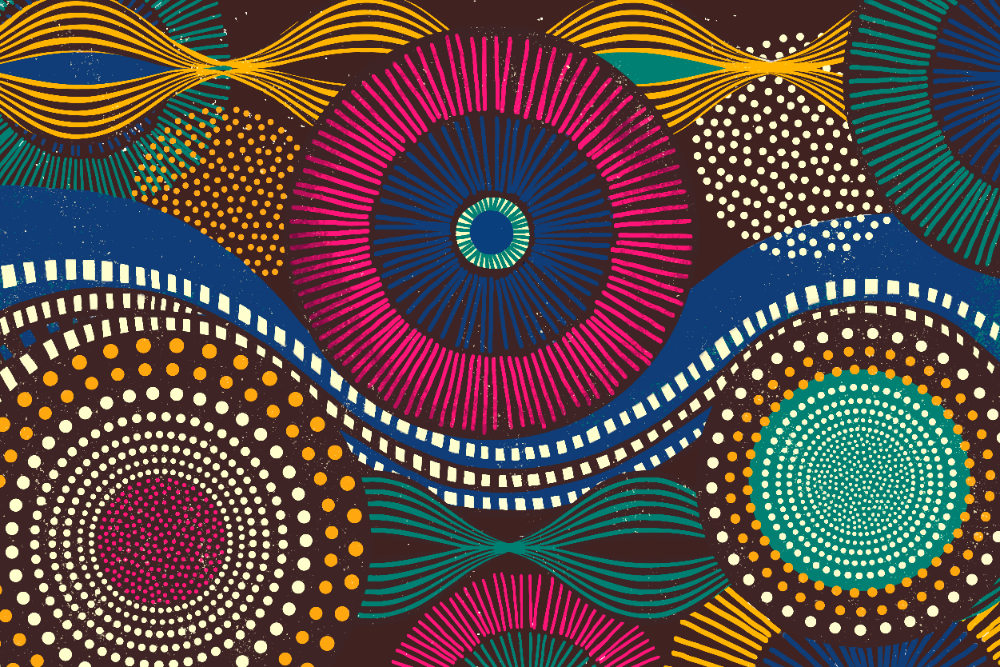
It includes traditional elements such as wax prints, bogolan, kente fabrics, and handcrafted embroidery, reinterpreted by modern designers. This fusion of heritage and innovation creates a unique and recognizable aesthetic.
What we observe today is that African fashion is no longer seen as “ethnic” or “alternative,” but as a central part of global fashion culture.
Cultural roots of African fashion
The strength of global African fashion lies in its deep cultural roots. Each region of the continent has its own clothing traditions, symbols, and textile techniques.
Fabrics play a central role in this identity. For example, wax prints have become symbols of creativity and cultural pride, while Ghanaian kente fabric often represents royalty and prestige.
These traditional elements are not static. They are constantly reinterpreted by designers who give them new life in modern and international collections.
The rise of African designers on the global stage
One of the main drivers of global African fashion is the rise of African designers. More and more creatives are gaining international recognition, collaborating with global brands, and participating in major fashion weeks.
This growth is amplified by social media platforms such as Instagram, TikTok, and Pinterest, which allow African fashion trends to spread globally in real time.
What we often observe is a shift in perception: Africa is no longer seen as a peripheral source of inspiration, but as a core creative hub in the global fashion industry.
Expert insight: authenticity as a strategic advantage
In global African fashion, authenticity is a key success factor. Designers who succeed internationally are often those who stay true to their cultural roots while innovating in design, materials, and silhouettes.
A common mistake is imitating Western trends without adding cultural value. In contrast, brands that fully embrace their African identity tend to create stronger and more impactful fashion statements.
Authenticity therefore becomes a major competitive advantage in the global fashion industry.
Real-life example: African fabrics in international fashion
A clear example is the integration of wax prints into high-end fashion collections. Once considered local fabric, it is now featured in international runway shows and luxury collaborations.
This demonstrates how African cultural elements can become global trends when reinterpreted creatively and respectfully.
Today, many designers incorporate African-inspired patterns into modern clothing such as suits, evening dresses, and even sneakers.

African fashion and global youth culture
Youth culture plays a central role in the spread of global African fashion. Younger generations, highly connected and globally aware, are actively adopting and reinventing African-inspired styles.
Social media accelerates this process, with influencers showcasing African-inspired outfits in urban and international settings.
This blend of tradition and streetwear has created a hybrid aesthetic that is highly popular worldwide.
Challenges facing global African fashion
Despite its success, global African fashion faces several challenges. Cultural appropriation remains a major concern, as some international brands use African patterns without proper recognition or collaboration.
Another challenge is the structural development of the African fashion industry, including production capacity, distribution networks, and access to global markets.
However, positive progress is being made through local initiatives and platforms dedicated to promoting African talent globally.
FAQ – Global African fashion
What is global African fashion?
It refers to fashion trends inspired by African cultures and expressed on a global scale.
Why is African fashion influential today?
Because of the creativity of African designers, social media exposure, and the growing appreciation of cultural diversity.
Quels sont les tissus les plus utilisés dans la mode africaine ?
Le wax, le kente, le bogolan et d’autres textiles traditionnels africains.
What fabrics are commonly used in African fashion?
Wax prints, kente, bogolan, and other traditional African textiles.
Conclusion
Global African fashion is far more than a trend; it is a powerful cultural and creative movement reshaping the global fashion industry. Driven by talented designers, a dynamic youth culture, and rich cultural heritage, it continues to expand its influence worldwide.
Its future depends on balancing innovation, authenticity, and the preservation of African cultural identity.
African fashion is no longer just inspiring the world — it is becoming an essential part of it.
If you enjoyed this article, discover more articles on our Blog page or follow us on Facebook so you don’t miss anything.