
 Fr
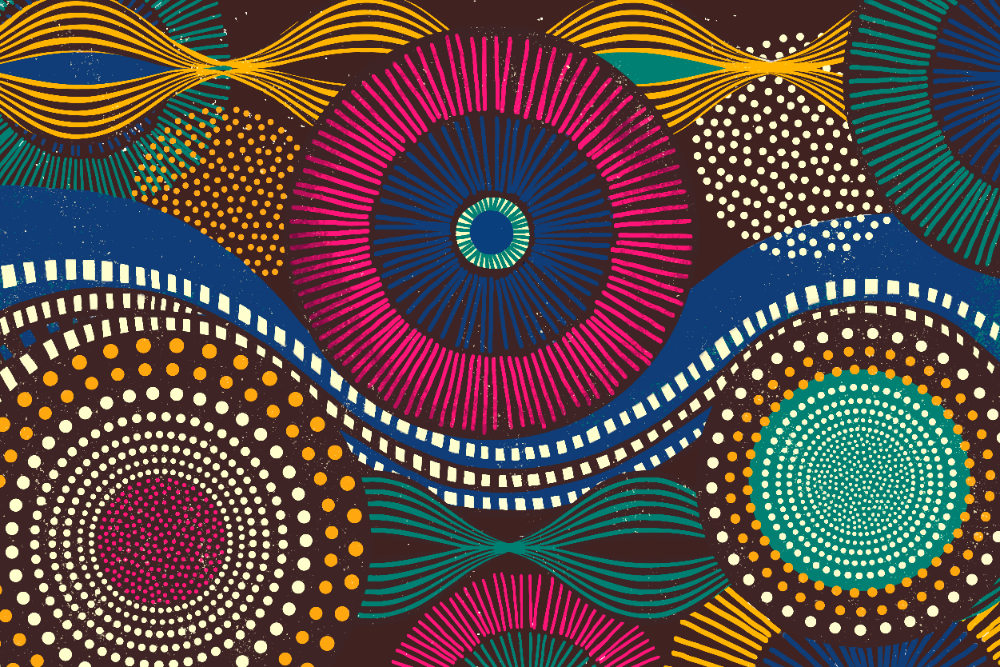

African fashion is known for its rich fabrics, diverse colors, and creative designs. In a world where cotton, wax, bogolan, bazin, and many other materials play an important role, silk and clothing in Africa also represent a particularly interesting combination. A refined, lightweight, and naturally elegant material, silk can bring a luxurious dimension to African clothing while fitting into a wide range of cultural and contemporary inspirations.
Today, African fashion is evolving rapidly. Designers are increasingly combining traditional materials with textiles from other areas of the fashion industry to create contemporary pieces. In this context, silk and clothing in Africa can be combined to create elegant dresses, sophisticated outfits, scarves, blouses, and garments designed for special occasions.
This meeting between a delicate material and African fashion influences makes it possible to create clothing that combines elegance, comfort, creativity, and modernity.
Why Combine Silk and Clothing in Africa?
Silk has unique characteristics that make it particularly interesting for clothing design. Its soft texture, subtle shine, and flowing drape allow designers to create elegant silhouettes.
In contemporary African fashion, silk can be used on its own or combined with other fabrics. It can bring lightness to an outfit whose other sections are made from more structured materials.
Silk and clothing in Africa can therefore create an interesting contrast between different textures. For example, a dress may combine a structured section inspired by an African fabric with silk details to add movement and fluidity.
This combination demonstrates that contemporary African fashion is not limited to one particular type of fabric. It can evolve by incorporating different materials while maintaining a strong visual identity.
Silk in the History and Evolution of African Fashion
Silk has a very long history in the world of textiles. It has been used in different regions around the world to create clothing and accessories associated with elegance and refinement.
In Africa, clothing traditions have developed around a wide variety of materials and techniques. Fabrics have varied according to regions, communities, trade relationships, and traditional craftsmanship.
With the globalization of fashion, new materials have gradually been incorporated into African designs. Silk is one of the textiles that can now be used by designers who want to create a more contemporary or luxurious aesthetic.
The evolution of silk and clothing in Africa therefore reflects a broader transformation within African fashion: designers can draw inspiration from cultural heritage while experimenting with new materials and techniques.
Silk and Elegant African Dresses
The dress is probably one of the garments that best showcases the visual qualities of silk. Its flowing drape can naturally follow the body’s movements and create an elegant silhouette.
In an African-inspired design, silk can be used to create an entire dress or combined with a printed fabric.
A silk dress can incorporate an African-inspired collar, sleeves, belt, or other details. The result preserves a cultural influence while embracing a contemporary aesthetic.
For weddings, evening events, ceremonies, and other important occasions, this type of design can add a particularly sophisticated dimension to an outfit.
Silk and African Prints
The combination of silk and African prints offers many creative possibilities. Colorful patterns can serve as the main visual element, while silk provides a different texture.
Wax fabric, for example, generally has a structured feel and a strong visual presence. When combined with a flowing material such as silk, it can create an interesting contrast.
A designer can use the African print on the upper part of a dress and silk on the lower section. Silk can also be incorporated into sleeves, collars, belts, or other details.
This approach makes it possible to highlight African patterns without sacrificing a modern and elegant silhouette.
Silk in Traditional and Contemporary African Clothing
Traditional African clothing features a wide variety of shapes and styles. Depending on the region and culture, it may include long dresses, coordinated outfits, tunics, draped garments, and different forms of headwear and accessories.
Contemporary fashion draws inspiration from some of these elements to create clothing adapted to modern lifestyles.
In this context, silk and clothing in Africa can come together in designs that reinterpret traditional silhouettes while using a lighter and more refined material.
A tunic inspired by traditional clothing can, for example, be made from silk. A coordinated outfit can also combine a printed African garment with a silk shirt or scarf.
This adaptation makes it possible to preserve cultural references while offering clothing suitable for different occasions.
Silk Scarves in African Fashion
Accessories play an important role in African fashion. Among them, scarves have a particularly distinctive place.
A silk scarf can be worn around the neck, over the shoulders, or on the head. Its fluid texture also allows it to be styled in different ways.
When combined with colors or patterns inspired by Africa, it becomes an accessory capable of enhancing a modern outfit.
A scarf can be paired with a plain dress, a traditional outfit, or even professional clothing. It provides a way to introduce an African touch without necessarily wearing an outfit entirely made from printed African fabrics.
Silk for African Ceremonial Clothing
Ceremonies play an important role in many African cultures. Weddings, birthdays, family celebrations, and cultural events are occasions where clothing often takes on particular importance.
In these settings, silk and clothing in Africa can be combined to create sophisticated outfits.
A long silk dress, elegant coordinated outfit, or refined tunic can be complemented with jewelry, a scarf, or African-inspired fabric details.
The choice of deep or vibrant colors can also enhance the ceremonial character of an outfit. Blue, green, red, gold, purple, and certain natural shades can all be used depending on the desired style.
Silk and Modern African Fashion
Contemporary African fashion continues to evolve. Designers are experimenting with silhouettes, materials, volumes, and colors to meet the expectations of increasingly diverse customers.
Silk naturally fits into this evolution. It can be used to create minimalist garments, highly sophisticated pieces, or designs that combine several different influences.
Today, African clothing can be designed to be worn in Dakar, Abidjan, Lagos, Johannesburg, Paris, London, Montreal, or other major cities.
This international openness encourages different fashion influences to come together and contributes to the evolution of silk and clothing in Africa.
How to Care for African Silk Clothing
Silk is a delicate material that generally requires special care. Before cleaning a silk garment, it is important to check the care instructions provided on its label.
Some garments may require professional cleaning, while others can be maintained using methods specifically designed for delicate fabrics.
It is also advisable to avoid prolonged exposure to conditions that could damage the fibers or colors. Garments should be stored carefully to preserve their shape and appearance.
Proper care helps maintain the softness, shine, and characteristic drape of silk for longer.
Silk as a Symbol of Elegance in African Fashion
In the fashion world, silk is often associated with elegance and refinement because of its softness and appearance.
When incorporated into an African-inspired design, it can contribute to creating a particularly sophisticated garment.
However, the elegance of African clothing does not depend solely on the material used. The cut, colors, patterns, quality of construction, and way the garment is worn also play an essential role.
Silk and clothing in Africa therefore represent more than a simple combination of fabrics. They reflect the ability of African fashion to evolve, experiment, and create new forms of stylistic expression.
Trends Around Silk and Clothing in Africa
Current trends increasingly emphasize fabric combinations and designs capable of bringing together different cultural influences.
Silk can be used in long dresses, coordinated outfits, blouses, skirts, scarves, and various accessories.
Combining silk with African prints also makes it possible to create original pieces. Some designs emphasize contrast, while others seek harmony between colors and textures.
Modern silhouettes, asymmetrical cuts, statement sleeves, and structured details can also be combined with the fluidity of silk.
This evolution shows that silk and clothing in Africa can be part of a fashion landscape that is contemporary, elegant, and culturally expressive.
How to Wear African Silk Clothing
African silk clothing can be adapted to different occasions. For a ceremony, a long silk dress can be paired with elegant jewelry and sophisticated shoes.
For a more casual occasion, a silk shirt or scarf can be combined with a simpler garment to create a balanced contrast.
Accessories should ideally complement the outfit without distracting from the fabric and its patterns. When silk is combined with a highly colorful African print, more understated accessories can help create visual balance.
The most important thing is to maintain harmony between colors, fabrics, and proportions.
Silk and the Future of African Fashion
African fashion continues to gain visibility internationally. Designers are developing new collections, reinterpreting traditions, and experimenting with different textiles.
Within this evolution, silk and clothing in Africa can contribute to a more diverse vision of African fashion.
The combination of refined materials and African-inspired designs makes it possible to create clothing that meets the expectations of customers looking for quality, elegance, and cultural identity.
The future of this trend will depend in part on the creativity of designers, changing consumer habits, and the ability of brands to showcase African craftsmanship and cultural inspirations.
FAQ About Silk and Clothing in Africa
Why use silk in African clothing?
Silk provides softness, fluidity, and a refined appearance. It can be used on its own or combined with African fabrics to create modern and elegant pieces.
Can silk be combined with wax fabric?
Yes. Silk and wax fabric can create an interesting contrast between fluidity and structure. This combination can be used for dresses, coordinated outfits, blouses, and various accessories.
Is silk suitable for African ceremonial clothing?
Yes. Thanks to its elegant appearance and flowing drape, silk can be particularly suitable for dresses, coordinated outfits, and accessories designed for weddings, evening events, and other ceremonies.
How should African silk clothing be cared for?
Because silk is a delicate material, it is important to follow the care instructions provided with the garment. Depending on its composition and construction, delicate-fabric cleaning or professional cleaning may be recommended.
Conclusion
Silk and clothing in Africa perfectly illustrate the evolution of African fashion between tradition, creativity, and modernity. Thanks to its texture, fluidity, and elegance, silk can enhance many designs inspired by African cultures and craftsmanship.
Combined with African prints, contemporary cuts, or traditional influences, silk can be used to create dresses, coordinated outfits, scarves, and many other garments suitable for different occasions.
Contemporary African fashion demonstrates that it can incorporate new materials while maintaining a strong identity. Silk and clothing in Africa represent a meeting point between textile refinement and African creativity, offering many possibilities for designers and fashion enthusiasts.
If you enjoyed this article, discover more articles on our Blog page or follow us on Facebook so you don’t miss anything.