
 Fr

The History and Cultural Significance of the Dashiki: From Tradition to Fashion Statement
The Dashiki, a colorful and vibrant garment that has become a global symbol of African culture, carries deep cultural significance and history. From its humble origins in West Africa to its rise as a fashion statement across the world, the Dashiki has undergone a remarkable transformation. This article explores the rich history of the Dashiki, its cultural significance, and how it has evolved from a traditional garment to a modern fashion trend embraced worldwide.
The Origins of the Dashiki: A Symbol of African Identity
The Dashiki traces its roots to the traditional clothing of West Africa, where it has been worn for centuries by various ethnic groups. The name “Dashiki” is derived from the Yoruba language, spoken in Nigeria, where the term “dasiki” refers to a type of shirt or tunic. Originally, the Dashiki was worn as part of the traditional attire for both men and women, with its design and style varying across different African cultures.
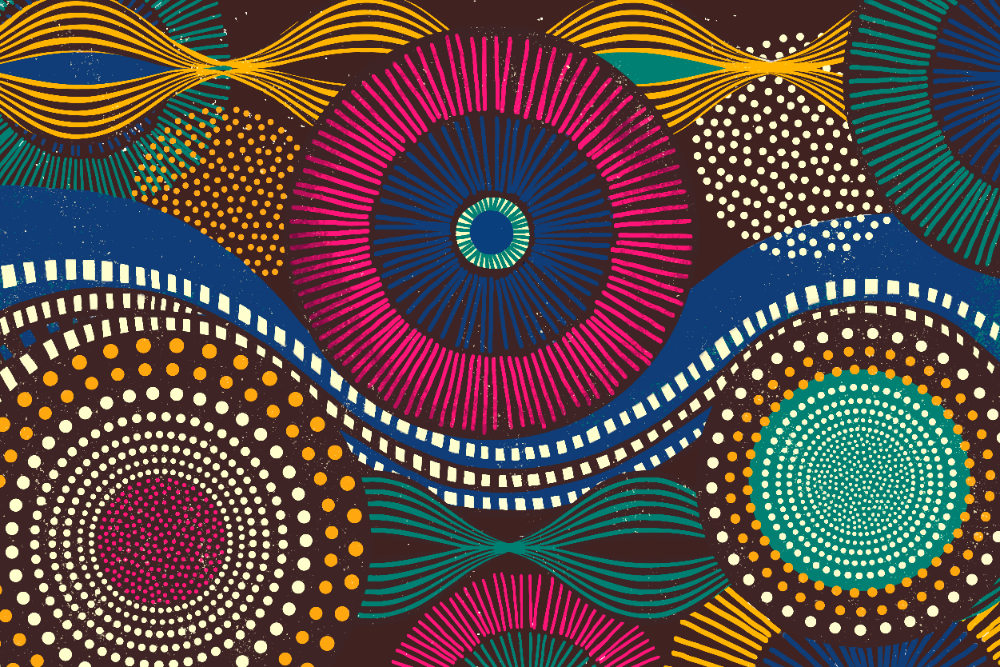
The Dashiki is often made from brightly colored fabrics, such as wax prints, kente, or cotton, and is characterized by its loose, flowing fit, short sleeves, and intricate patterns. It was traditionally worn during important ceremonies, festivals, and other special occasions, symbolizing a sense of pride and unity within the African community.


1.The Rise of the Dashiki in the Global Fashion Scene
While the Dashiki was once primarily a garment worn by African men and women, it gained global prominence during the 1960s and 1970s, as African American culture experienced a cultural renaissance. This period, known as the Black Power Movement, saw the Dashiki become a symbol of Black pride, identity, and empowerment. It was worn by influential figures such as civil rights leaders, musicians, and artists who embraced African heritage and culture.
During this time, the Dashiki became a statement of resistance against the dominant Western culture, asserting the beauty and value of African traditions. The Dashiki was no longer just a garment; it represented a movement that sought to reclaim African identity and celebrate its rich cultural heritage. Its bold patterns and vibrant colors were seen as a rejection of the conformity and uniformity of Western fashion.
The Dashiki and Its Symbolism
The Dashiki is more than just a piece of clothing; it carries profound symbolism and significance. The patterns and designs found on Dashikis often reflect the cultural heritage and beliefs of the wearer’s ethnic group. In many cases, the colors and motifs used in the fabric have specific meanings and are tied to African traditions and customs.
For example, the kente fabric, commonly used to make Dashikis, originates from the Ashanti people of Ghana. Kente is woven from silk and cotton and is known for its bright colors and intricate patterns, each of which conveys a specific message. In the Dashiki, kente fabrics are often used to represent various aspects of life, such as love, power, wisdom, and unity. The designs and colors in the Dashiki are meant to communicate personal and cultural values, making the garment not only a fashion statement but also a means of storytelling.

2. The Dashiki’s Role in African-American Culture
As the Dashiki became a popular garment among African Americans during the Black Power Movement, it took on a deeper meaning within the African-American community. The Dashiki became a symbol of cultural pride and solidarity, particularly in the face of systemic racism and oppression. By wearing the Dashiki, African Americans were able to assert their African identity and reclaim their heritage, which had often been erased or misrepresented in mainstream society.
During the 1960s and 1970s, African-American leaders such as Stokely Carmichael and Huey P. Newton promoted the Dashiki as a form of resistance against Western ideals of beauty and fashion. For many African Americans, wearing the Dashiki was a way to challenge the cultural dominance of the West and embrace their African roots. The Dashiki thus became a potent symbol of empowerment and pride, aligning with broader movements for civil rights and racial equality.
The Dashiki and Its Influence on Modern Fashion
In recent years, the Dashiki has made a significant comeback as a mainstream fashion item. With the rise of African-inspired fashion, the Dashiki has become a symbol of global fashion that transcends cultural boundaries. Celebrities and fashion icons have embraced the Dashiki as a statement piece, and it has appeared on runways, red carpets, and in everyday streetwear.
The modern Dashiki has evolved from its traditional roots, with designers incorporating contemporary elements into the garment’s design. Today, Dashikis come in various cuts, styles, and materials, and can be worn in both casual and formal settings. Some Dashikis feature bold patterns and bright colors, while others are more subdued, with simpler designs. Despite these variations, the Dashiki remains a powerful symbol of African heritage and pride.

3. The Dashiki in African Fashion Today
In Africa, the Dashiki remains a significant part of traditional clothing and continues to be worn during important cultural and religious events. However, in recent years, it has also been embraced as a fashionable garment, worn by both men and women for everyday occasions. African designers have taken the Dashiki and reimagined it for modern audiences, creating innovative designs that blend tradition with contemporary trends.
The popularity of the Dashiki in African fashion is reflective of a larger trend in the fashion industry, where African culture is being celebrated and recognized for its contributions to global fashion. Designers are increasingly turning to African fabrics, prints, and styles as sources of inspiration, leading to the resurgence of garments like the Dashiki on the international fashion scene.
The Dashiki as a Statement of African Identity
Today, the Dashiki is no longer just a garment worn by Africans or African Americans. It has become a global symbol of African identity and pride. Wearing the Dashiki is a way to celebrate and honor African heritage, regardless of where the wearer comes from. The Dashiki transcends geographical and cultural boundaries, symbolizing unity, pride, and a shared connection to African history and culture.
For many, the Dashiki serves as a reminder of the importance of preserving and promoting African traditions in the face of globalization. As African culture continues to influence global fashion, the Dashiki stands as a symbol of resistance to cultural assimilation and the ongoing fight for African representation and visibility in the fashion world.

4. The Dashiki in Contemporary Fashion Culture
In the modern fashion world, the Dashiki has gained significant recognition, thanks in part to the efforts of designers, influencers, and celebrities who have embraced African-inspired clothing. The garment is often worn at fashion events, music festivals, and cultural celebrations, making it a staple of contemporary style.
The Dashiki has also become a favorite among those who appreciate its bold colors, comfortable fit, and cultural significance. In many ways, it has become a fashion statement that reflects a commitment to diversity and inclusion. By wearing the Dashiki, individuals are celebrating African culture while contributing to the ongoing dialogue about fashion, identity, and representation.
Conclusion: The Dashiki as a Cultural and Fashion Icon
From its traditional roots in West Africa to its global recognition as a symbol of African pride and cultural empowerment, the Dashiki has undergone a remarkable transformation. The Dashiki is no longer just a piece of clothing—it is a statement of identity, heritage, and resistance. As the Dashiki continues to evolve in modern fashion, it remains an enduring symbol of African culture and its global influence.
Today, the Dashiki represents the intersection of tradition and modernity, showcasing the rich cultural heritage of Africa while embracing contemporary fashion trends. Whether worn for a special occasion or as part of everyday attire, the Dashiki remains a powerful reminder of the beauty, diversity, and resilience of African culture.
As we look toward the future, the Dashiki will undoubtedly continue to play a prominent role in fashion and cultural expression, serving as a bridge between the past and the present and celebrating the ongoing legacy of African heritage.
Call to Action:
Explore our wide selection of Dashikis and experience the beauty of African fashion at AFRICTUDES. Embrace the cultural significance of the Dashiki and wear a piece of African heritage with pride!